
Fibromyalgia & persistent pain self-management
THERAPY
ABOUT THERAPY
I am an experienced and HPCSA-registered Occupational therapist and member of OTASA, PainSA and the OT Pain Management Group of SA (OTPMG).
As an Occupational therapist, I am trained to address every aspect of your wellbeing – from your physical and mental health to your cognitive function and spiritual state. Then I focus on the impact these have on your sense of identity and purpose, daily functioning, work and relationships.
I support people with a wide range of common chronic pain conditions, including arthritis, neuropathic pain, chronic low back pain, Fibromyalgia and other persistent pain syndromes.
IMPORTANT INFORMATION:
Family involvement
Family involvement is encouraged - when appropriate and with your consent - and focuses on education and support. It does not include relationship/marriage counselling beyond my scope of practice.
Faith-based therapy
Therapy fees
THERAPY OPTIONS

Chronic pain coaching - Online
My comprehensive assessment, expert guidance and clinical coaching, can help you understand your pain and explore all your evidence-based and interdisciplinary pain management options, including non-drug pain relief techniques and lifestyle-based strategies.
Core Strategies:
Pain science education
Graded movement & physical activity
Sleep hygiene optimisation
Mindfulness & mind-body practices
Nervous system regulation & sensory techniques
Practical tools to down-regulate an over-protective system and restore a greater sense of safety in the body.
Stress management strategies & healthy boundary setting
CBT- & ACT-based approaches
These core strategies are integrated into a personalised plan and turned into sustainable daily habits for confident self-management, restored daily function and a fuller life.

Fibromyalgia coaching - Online
As an Occupational Therapist with over a decade of specialist experience, I support people living with Fibromyalgia through personalised, evidence-based coaching focused on non-drug strategies and restoring daily function.
Research shows many people improve significantly with the right lifestyle and self-management approach.
Fibromyalgia Information:
What is Fibromyalgia?
Fibromyalgia is a complex syndrome of multiple symptoms, including chronic widespread pain, sleep problems, fatigue, brainfog and mood changes.
What causes Fibromyalgia?
Fibromyalgia symptoms come from changes in the central nervous system, and other bodily systems, so that they continue working in an oversensitized and overprotective way. These changes are in response to past and present ‘threats’ to the wellbeing of the person – of a physical or psychological nature or both.
What does Fibromyalgia impact?
Fibromyalgia impacts on everything - capacity to work, socialise and engage in physical activity and leisure - even more so during symptom flare-ups.
What does the research say?
Although managing Fibromyalgia may include many different options, the current research evidence supports prioritising non-medication, lifestyle-based strategies to work towards reversing those underlying system changes. Keeping the focus on regaining daily function and living more fully is also most helpful.
How I help
In addition to the core strategies for chronic pain, Fibromyalgia coaching includes targeted approaches that address the multi-system nature of the condition, energy fluctuations and the impact of past or present threats on the nervous system.
- Pacing and energy conservation: Learn to balance activity and rest so you can do more of what matters without triggering prolonged flare-ups.
- Flare-up planning & management: Create a clear, personalised plan so flares become shorter, less intense, and less disruptive to daily life.
- Trauma-informed perspective: Support that recognises how past or ongoing stressors can contribute to an oversensitised system and works with this reality rather than against it.
These specialised elements are woven into your holistic Fibromyalgia management plan alongside the core strategies, helping you regain daily function and confidence even when symptoms fluctuate.
Fibromyalgia support groups - Online or In-person
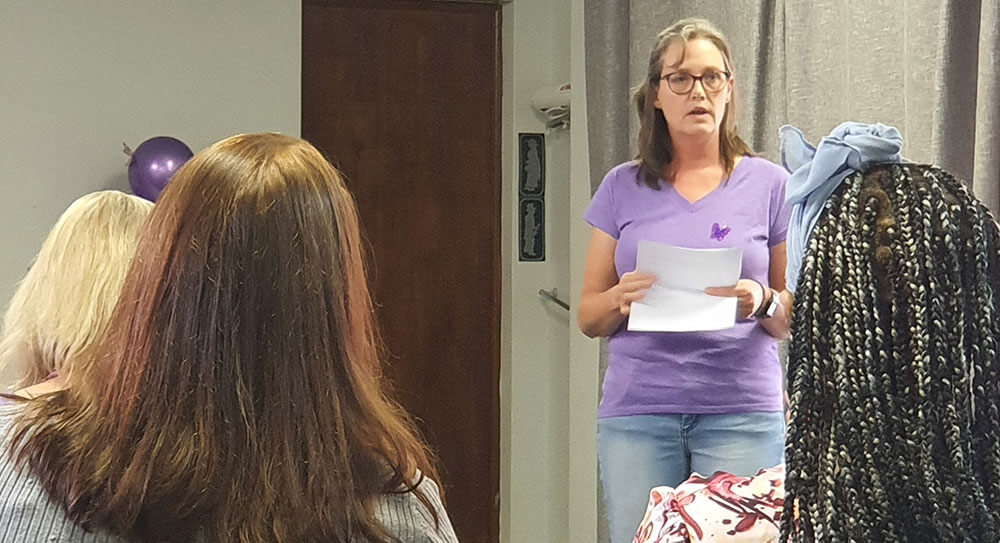
Gather with those who get where you’re coming from. I facilitate support groups that offer valuable education, shared experiences and ongoing encouragement for living well with Fibro. We cover topics like sleep health, handling brain fog and managing stress.
These groups welcome individuals diagnosed with Fibromyalgia and their immediate family members.
Support Group Options:
In-person Fibromyalgia support group (Upper Highway, Durban, KZN)
- A group of 15-20 people, including some family members
- Meets every 6 weeks on Saturday afternoons
Online Fibromyalgia support group
- Meets every 6 weeks via Zoom
- Small annual fee applies to cover hosting costs

Pain group courses & events
As an established team, Juli Ann Riley (physiotherapist) and I deliver interdisciplinary pain management through online and in-person group programmes and education events to suit individual and corporate needs.
The R&R Pain Rehabilitation Programme is our flagship interdisciplinary chronic pain management programme.
About the programme
- Delivered in a small, supportive group setting
- In weekly 2-hour sessions over 6 weeks
What the programme covers
Based on my book “Your Pain Playbook” it equips participants with practical, evidence-based strategies for successful long-term pain self-management, including:
- Pain science education
- Graded physical activity & pacing
- Sleep hygiene
- Mind-body and nervous system regulation techniques
What are the benefits of the programme?
Weekly goal setting helps participants make progress and those who complete the course gain free access to monthly online support meetings to keep on track.